

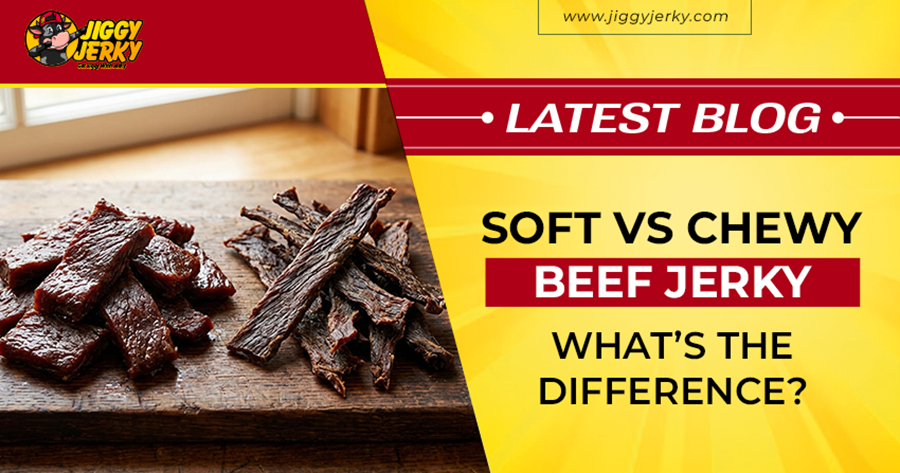
Soft and chewy beef jerky are made from the same basic idea: lean beef that is seasoned and preserved by removing moisture. The biggest difference is texture. Soft beef jerky contains more retained moisture and is easier to bite, while chewy beef jerky is typically firmer, drier, and takes longer to break down.
For many people, the choice comes down to personal preference, chewing comfort, and how they plan to enjoy the snack. Understanding the differences can help you select a beef jerky that matches your taste, lifestyle, and dietary needs.
What Is Soft Beef Jerky?
Soft beef jerky is designed to provide a tender, easy-to-chew experience. It usually has a higher moisture level than traditional dry jerky, giving it a more flexible texture. Many people describe it as closer to a tender meat snack rather than a very dried preservation-style food.
Manufacturers can create a softer texture by adjusting factors such as meat selection, slice thickness, marinade ingredients, and drying time. Cutting methods also affect tenderness because the direction of muscle fibers changes how easily the meat separates when chewed.
- People who want a quick, convenient protein snack
- Those who dislike very firm or tough textures
- People who prefer a tender bite similar to cooked meat
What Is Chewy Beef Jerky?
Chewy beef jerky represents the traditional jerky experience. It is usually firmer, has less moisture, and requires more chewing before swallowing. This longer chew time is one reason many outdoor enthusiasts and traditional jerky fans enjoy it.
Chewy jerky often has a stronger dried-meat texture because dehydration concentrates the flavor and changes the structure of the beef. The result is a snack that can last longer while eating and provides a more classic jerky experience.
- People who enjoy traditional dried meat snacks
- Hikers, travelers, and outdoor workers
- Snackers who like a longer-lasting bite
Why Does Beef Jerky Texture Change?
1. Moisture Content
2. Meat Cut and Muscle Fibers
3. Drying Process
4. Marinade and Ingredients
Is Soft Beef Jerky Healthier Than Chewy Beef Jerky?
Neither texture is automatically healthier. The nutritional value depends more on the ingredients, serving size, sodium content, added sugars, and processing methods.
Beef jerky can be a convenient source of protein, but many varieties are high in sodium. People managing sodium intake should check nutrition labels carefully and compare different brands.
- Protein content per serving
- Sodium amount
- Added sugars
- Ingredient list
- Portion size
How to Choose Between Soft and Chewy Beef Jerky
Use this simple decision guide:
Choose soft beef jerky if you:
- Prefer easy chewing
- Want a snack you can eat quickly
- Like tender textures
- Enjoy traditional jerky
- Want a snack that lasts longer
- Prefer a firmer texture
Can People With Dental Concerns Eat Beef Jerky?
People with sensitive teeth, dental restorations, or chewing difficulties may prefer softer varieties because they require less force. However, individual needs vary. Anyone with significant chewing limitations should consider discussing food choices with a dental or healthcare professional.
Even soft jerky should be eaten carefully, especially by children or people who have difficulty chewing and swallowing.
Tips for Buying Better Beef Jerky
- Nutrition Facts panel
- Sodium level
- Protein amount
- Added sugar content
- Preservatives and ingredients
- Package freshness and storage instructions
Frequently Asked Questions
Yes. Soft beef jerky is generally more tender and requires less chewing effort than traditional chewy jerky.
Not necessarily. Protein content depends on the recipe, serving size, and amount of beef used, not simply whether the jerky is soft or chewy.
Jerky can become tough because of lower moisture content, longer drying time, thicker cuts, or the direction of muscle fibers in the meat.
Beef jerky can fit into a balanced diet as a protein-rich snack, but consumers should watch sodium, added sugars, and portion sizes.
Many hikers prefer chewy jerky because it is traditionally drier and designed to be portable. However, soft jerky can also work if properly packaged and stored.
Conclusion
The difference between soft and chewy beef jerky comes mainly down to moisture, preparation, and texture preferences. Soft jerky offers a tender, convenient snack, while chewy jerky provides a classic, longer-lasting eating experience.
When choosing beef jerky, focus on more than texture. Reviewing nutrition facts, ingredients, and your own chewing preferences will help you find a product that fits your lifestyle.