

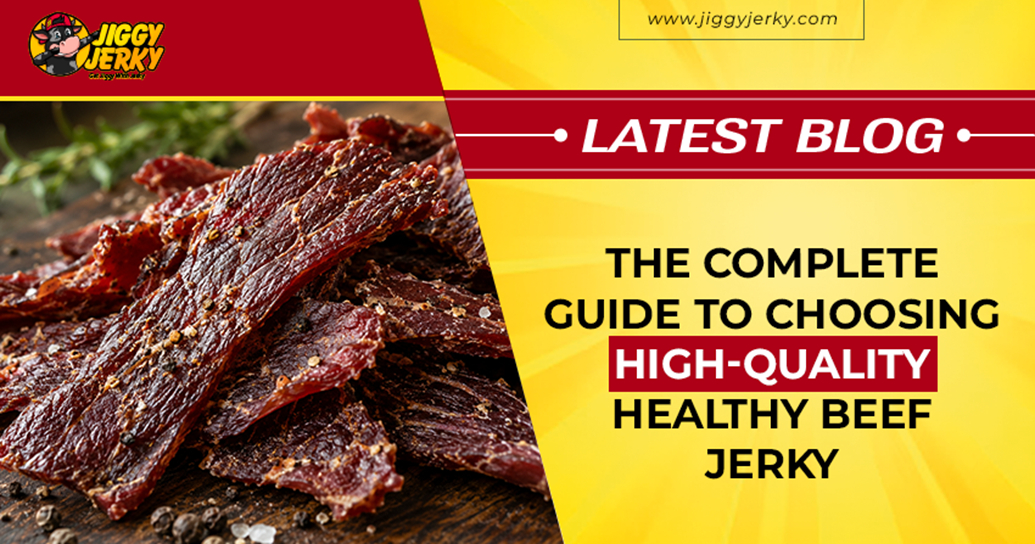
Healthy beef jerky can be a convenient, protein-rich snack, but not every package offers the same nutritional value. To choose a higher-quality option, compare protein per serving, sodium, added sugar, saturated fat, ingredient list, and portion size. Look for a product that fits your dietary needs rather than relying on front-of-package claims such as “natural,” “grass-fed,” or “keto.”
Jerky is made by seasoning and drying meat to remove moisture, which makes it lightweight and often shelf-stable. That convenience comes with a trade-off: many varieties use salt for flavor and preservation, and some add sugar or sweet marinades. A quick look at the Nutrition Facts panel can help you find a satisfying snack without overlooking those details.
1. Start With the Nutrition Facts Label
Compare products using the same serving size—often around one ounce—so you are not comparing a small serving from one brand with a larger serving from another. Check the whole package too: a bag may contain multiple servings, and eating the entire bag can multiply the sodium and sugar listed on the label.
Protein: Look at the amount per serving
Beef jerky is naturally protein-rich because drying concentrates the meat. Protein can help make a snack more filling, but the amount varies by product and serving size. Compare grams of protein with calories to understand how much protein you get for the energy provided. Jerky can complement meals and snacks, but it does not need to be your only protein source; beans, eggs, fish, nuts, and other foods add variety.
Sodium: Usually the biggest number to watch
Salt is commonly used to season and preserve jerky, so sodium can add up quickly. The FDA Daily Value for sodium is less than 2,300 milligrams per day for adults; products with 5% Daily Value or less per serving are considered low in a nutrient, while 20% or more is high. These percentages are useful for comparing packages. If you have high blood pressure, kidney disease, or a clinician-directed sodium limit, follow your individualized advice and compare labels especially carefully.
Added sugar and saturated fat
Teriyaki, barbecue, honey, and sweet-chili flavors may contain added sugar. Check the “Added Sugars” line rather than assuming a savory snack is sugar-free. If you prefer less sweetness, choose an original, peppered, or spicy variety and verify the label. Also compare saturated fat, particularly if you eat jerky often. Leaner cuts can help keep fat lower, but nutrition varies by recipe.
2. Read the Ingredient List—Not Just the Marketing
Ingredients are listed by weight, from highest to lowest. A short list can be easy to evaluate, but a longer list is not automatically unhealthy. Check the seasonings, sweeteners, and any ingredients you need to avoid.
Common ingredients include salt, spices, vinegar, soy sauce, sugar, and smoke flavor. Some products use curing agents such as sodium nitrite; others are labeled uncured and may use alternative curing ingredients. “Uncured” does not automatically mean preservative-free or healthier, so read the full list and nutrition panel. If you have a soy, wheat, or other food allergy, check both ingredients and allergen statements; marinades can contain soy sauce or other allergens.
3. Understand Claims Such as Grass-Fed, Organic, and No Added Sugar
These claims describe different things and do not replace nutrition facts. Grass-fed refers to how cattle were raised under the relevant labeling standard; it does not guarantee that the finished jerky is low in sodium or sugar. Organic certification concerns production standards, not whether a product is low-calorie. “No added sugar” can be useful if you are limiting added sugars, but the product may still contain sodium, and total carbohydrate can vary.
Terms such as “natural,” “clean,” “keto-friendly,” and “high protein” do not tell the whole story. Verify the nutrition facts and, if sourcing matters to you, look for clear explanations or credible certification.
4. Choose the Right Type for Your Needs
Your priority | What to compare | Practical tip |
More protein | Protein per serving and calories | Compare equal serving sizes; do not assume every bag is one serving. |
Less sodium | Sodium in mg and % Daily Value | Choose the lower-sodium option that still suits your taste. |
Less added sugar | Added Sugars line and flavor | Check teriyaki, honey, and barbecue varieties closely. |
Simple ingredients | Full ingredient list and allergens | Choose a list you understand and can safely eat. |
Portable snack | Package size and storage directions | Prefer sealed packs and follow refrigeration instructions after opening. |
5. Consider Portion Size and How You’ll Eat It
Because jerky is compact, it is easy to snack on more than intended. Check how many servings are in the bag and reseal or portion it if needed. For a more balanced snack, pair a modest serving with fruit, vegetables, or whole-grain crackers. That adds fiber and other nutrients that jerky alone does not provide.
Jerky works for road trips, hiking, and work breaks, but it should not replace a varied diet. If you manage a medical nutrition concern, follow your clinician’s advice rather than relying on a “healthy” label.
6. Check Packaging, Storage, and Food Safety
Choose intact, sealed packages within the printed date. Follow storage instructions, especially after opening; some products need refrigeration. Discard products with damaged packaging, unusual appearance or odor, or uncertain storage history.
Commercial jerky is made under food-safety controls, but shelf-stable does not mean it lasts indefinitely. For homemade jerky, USDA recommends heating beef to 160°F before dehydrating because low-temperature drying alone may not destroy harmful bacteria. Use a food thermometer and follow USDA instructions.
A Quick Checklist Before You Buy
- Compare sodium and added sugar per equal serving size.
- Check protein, calories, and saturated fat together.
- Read the full ingredient list and allergen information.
- Treat “natural,” “grass-fed,” and “uncured” as specific claims—not proof that a product is healthier.
- Check package size, date, seal, and storage directions.
- Choose a portion that fits your needs and pair it with other nutritious foods when practical.
Frequently Asked Questions
It can be. Beef jerky provides protein and is portable, but sodium and added sugar vary widely. Compare the Nutrition Facts label and consider your overall diet.
Start with protein, sodium, added sugar, saturated fat, serving size, and ingredients. The best fit depends on whether your priority is lower sodium, less sugar, protein, or a specific ingredient restriction.
A lower-sodium option can help people who are monitoring sodium intake, but compare the full label. “Low sodium” has a regulated meaning on food labels; do not assume a product qualifies just because the package looks less salty.
Some varieties do, especially sweet or teriyaki-style flavors; others contain little or no added sugar. Check the Added Sugars line for the specific flavor.
Grass-fed describes cattle-raising practices, not the finished snack’s sodium, sugar, or calorie content. Compare the nutrition label and ingredient list to decide which product fits your priorities.
Yes, but food safety matters. Follow USDA guidance, heat beef to 160°F before dehydrating, use clean equipment, and follow safe storage instructions. Marinating or drying alone does not guarantee that harmful bacteria have been destroyed.
Bottom Line
Healthy beef jerky is not defined by one ingredient or marketing claim. Compare labels, prioritize the nutrients you monitor, and pay attention to portions and storage. Choose a snack that fits your needs without treating jerky as a substitute for a balanced diet.