

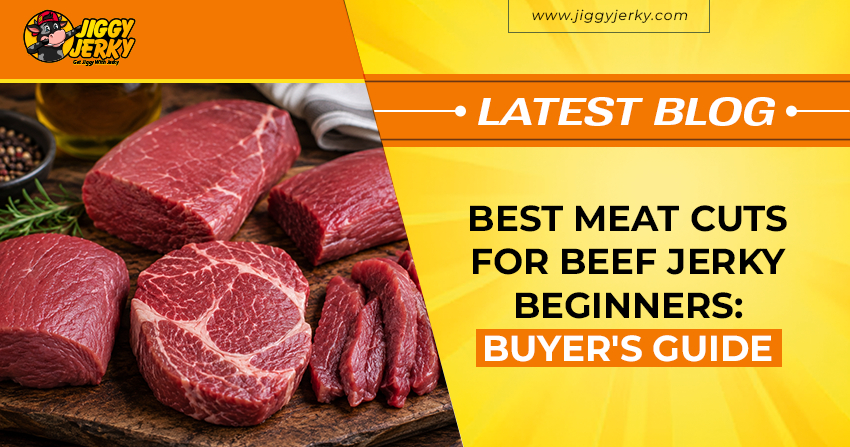
Making beef jerky at home sounds intimidating until you realize it’s really just three things: good meat, bold seasoning, and patience. But here’s the thing: if you mess up the first part, the rest doesn’t matter. Choosing the best cut of meat to make beef jerky is the foundation of everything that comes after.
If you’re new to jerky-making, walking up to the butcher counter can feel overwhelming. There are dozens of cuts, confusing labels, and varying price points. Some cuts work beautifully for jerky. Others are a complete waste of time and money. Once you know what to look for, it’s actually pretty simple.
Let’s break down the best cuts for beginners, what makes them work, and how to buy smart so your first batch turns out great.
What Makes a Cut Good for Jerky?
Before we talk specific cuts, let’s cover the basics. The best cut of meat to make beef jerky shares a few key characteristics:
Lean With Minimal Fat
Fat doesn’t dehydrate well. It goes rancid, creates a greasy texture, and shortens shelf life. You want cuts that are naturally lean or easy to trim.
Consistent Grain Structure
Jerky needs even drying. Cuts with uniform muscle fibers dry more predictably and give you better texture.
Affordable Enough to Experiment
As a beginner, you don’t want to drop serious money on premium cuts while you’re still learning. Stick with budget-friendly options that still deliver quality results.
Easy To Slice
Some cuts are irregularly shaped or hard to work with. For your first few batches, choose cuts that slice cleanly and consistently.
At Jiggy Jerky, we use premium Angus beef because we’ve spent years perfecting our process. But when you’re just starting out, you don’t need to go all-in right away. You just need smart choices that set you up for success.
Top Round: The Beginner’s Best Friend
If there’s one cut that jerky beginners should start with, it’s top round.
Top round comes from the rear leg of the cow. It’s a lean, hardworking muscle, which means minimal fat and tight grain structure. It’s also widely available and usually one of the more affordable options at the butcher or grocery store.
Why top round works for beginners:
- Naturally lean with little fat to trim
- Uniform shape makes slicing easier
- Affordable enough to practice with
- Reliable results even if you’re still learning
Top round is forgiving. Even if your slicing isn’t perfect or your marinade is a bit off, this cut still produces solid jerky. It’s the training wheels of jerky-making, and there’s no shame in that.
Bottom Round
Bottom round is another excellent choice, especially if top round isn’t available. It’s slightly tougher than top round, but that doesn’t matter much once it’s dried. In fact, some people prefer the firmer chew it provides.
Like top round, bottom round is lean, affordable, and easy to find. It comes from the same general area of the cow, so it shares many of the same qualities that make it ideal for jerky.
What to expect with bottom round:
- Very lean with minimal marbling
- Slightly firmer texture than top round
- Great for classic jerky flavors
- Budget-friendly for beginners
If you’re experimenting with bold seasonings like peppered garlic or spicy flavors, bottom round holds up well. It absorbs marinades nicely and dries evenly when sliced properly.
Eye of Round: The Leanest Option
Eye of round is about as lean as beef gets. It’s a small, cylindrical cut that’s almost entirely muscle with virtually no fat. For jerky, that’s a huge advantage.
Because of its shape, eye of round is incredibly easy to slice into uniform pieces. You can get consistent thickness across the entire cut, which means even drying and better texture. It’s also one of the cleanest cuts to work with since there’s almost no trimming required.
Why beginners love eye of round:
- Extremely lean with almost zero fat
- Cylindrical shape makes slicing easy
- Consistent thickness across the cut
- Minimal prep work required
The only downside? Eye of round can be slightly more expensive than top or bottom round. But if you value convenience and consistency, it’s worth the extra dollar or two per pound.
Sirloin Tip: For a Little Extra Tenderness
Sirloin tip is a bit more tender than the round cuts, which some people prefer. It’s still lean enough for jerky, but it offers a slightly softer chew that can be more enjoyable if you’re not into super-firm jerky.
It’s a versatile cut that works well with a variety of marinades and flavor profiles. Whether you’re going sweet with teriyaki or spicy with habanero, sirloin tip handles it well.
What makes sirloin tip beginner-friendly:
- Lean but slightly more tender
- Works with a wide range of flavors
- Easy to slice and prep
- Still affordable for practice batches
Sirloin tip is a great option if you want to step up from round cuts without getting into more expensive territory.
Cuts to Avoid as a Beginner
Not every cut is jerky-friendly. Here are a few you should skip while you’re learning:
Ribeye Or Rib Cuts
Too much marbling. Save these for grilling.
Brisket
Fat layers make it a poor choice for drying.
Chuck Roast
Inconsistent texture and too much connective tissue.
T-Bone or Porterhouse
Great steaks. Terrible jerky.
Stick with lean, uniform cuts from the round or sirloin area. Those are the safe bets that won’t leave you frustrated.
How to Buy Smart
When you’re at the butcher or grocery store, here’s what to look for:
Ask for help
Tell the butcher you’re making jerky. They can point you to the leanest cuts and sometimes even slice it for you.
Look For Deep Red Color
Fresh beef should be vibrant red, not brown or gray.
Check For Visible Fat
A little marbling is fine, but you want mostly lean muscle.
Buy A Bit Extra
Jerky shrinks significantly during drying. A pound of raw beef might yield only 4–6 ounces of finished jerky.
If you’d rather skip the trial and error and jump straight to perfectly crafted jerky, we’ve got you covered. At Jiggy Jerky, we use premium Angus beef and bold flavors to create high-protein, low-fat snacks that deliver every time. Check out our full lineup at Jiggy Jerky or grab a bag at our shop.
Slicing Tips for Beginners
Once you’ve chosen the best cut of meat to make beef jerky, slicing is the next challenge. Here are a few quick tips:
- Freeze the meat for 1–2 hours before slicing. It firms up and slices cleaner.
- Slice with the grain for chewier jerky, against the grain for more tender bites.
- Aim for 1/8 to 1/4 inch thickness. Thinner dries faster but can become brittle. Thicker takes longer but stays more substantial.
Consistency is key. Even slices dry evenly, which means better texture and flavor throughout.
Wrapping Up
Choosing the best cut of meat to make beef jerky doesn’t have to be complicated. Top round, bottom round, eye of round, and sirloin tip are all excellent options for beginners. They’re lean, affordable, widely available, and forgiving enough to help you learn without wasting money.
Start simple. Focus on one cut, experiment with a basic marinade, and get comfortable with the process. Once you’ve nailed the basics, you can branch out into more complex flavors and techniques.
And if you ever want to skip the prep work and enjoy bold, high-protein jerky made with premium beef, we’re here for that too. Whether you’re fueling a workout, packing for a hike, or just looking for a snack that actually tastes good and supports your goals, Jiggy Jerky has you covered.