

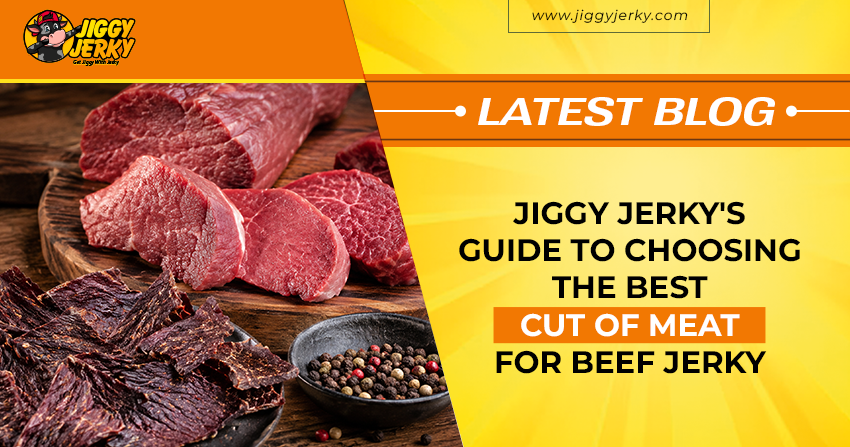
If you’ve ever bitten into a piece of beef jerky that was tough, greasy, or just plain bland, there’s a good chance the wrong cut of meat was used.
At Jiggy Jerky, we live and breathe bold flavor and high-protein snacking. And while seasoning, marination, and drying techniques matter, none of it works without starting with the right foundation. Choosing the best cut of meat to make beef jerky is everything.
Whether you’re making jerky at home or you’re just curious about how we skill ours using premium Angus beef, this guide will walk you through what makes a cut ideal, which ones to choose, and which to avoid.
Let’s dig in.
Why the Cut of Meat Matters So Much
Jerky isn’t just dried beef. It’s lean beef that’s been carefully sliced, seasoned, and dehydrated to create a high-protein, low-fat snack that’s portable and packed with flavor. The key word here? Lean. Fat doesn’t dry well. When left in jerky, it can:- Make the texture greasy
- Shorten shelf life
- Cause spoilage
- Create uneven drying
What Makes the Best Cut of Meat to Make Beef Jerky?
Before we name specific cuts, let’s talk about what you should look for.1. Low Fat Content
This is non-negotiable. The less visible fat, the better. You can trim some fat off, but starting lean saves time and improves the final product.2. Tight Grain Structure
Tight muscle fibers mean:- Better texture
- Easier slicing
- More consistent chew
3. Uniform Shape
Even thickness ensures even drying. Oddly shaped cuts can result in some pieces being too dry and others underdone.4. Flavor Absorption
Lean meat with good muscle structure absorbs marinades beautifully. That’s how you get bold flavor in every bite. At Jiggy Jerky, bold flavor is kind of our thing. Whether it’s Teriyaki, Peppered Garlic, or Chicago-inspired Giardiniera, we make sure every piece carries the flavor all the way through.The Top Cuts for Making Beef Jerky
Let’s break down the best options.1. Top Round (The Go-To Classic)
If there’s one cut most jerky makers agree on, it’s top round. Why it works:- Very lean
- Affordable
- Easy to slice
- Consistent shape
2. Bottom Round
Bottom round is slightly tougher than top round but still an excellent option. Pros:- Lean
- Budget-friendly
- Good beefy flavor
3. Eye of Round (The Jerky MVP)
If we’re talking pure lean efficiency, eye of round might take the crown. Why it’s great:- Extremely lean
- Uniform cylindrical shape
- Minimal trimming required
- Excellent for even slicing
4. Sirloin Tip
Sirloin tip is another strong contender. Benefits:- Lean
- Tender compared to round cuts
- Solid flavor
Cuts to Avoid for Jerky
Not every cut is jerky-friendly. Here’s what to skip:Ribeye
Delicious steak. Terrible jerky cut. Too much marbling = too much fat.Brisket
Flavorful, yes. Lean, no. Brisket has fat layers that don’t dehydrate well.T-Bone or Porterhouse
Better on a grill than in a dehydrator. Remember, jerky thrives on lean muscle. Save the marbled cuts for steak night.Grain Direction: The Hidden Secret
Choosing the best cut of meat to make beef jerky is step one. Step two? Slicing direction. You’ve got two options:Slice With the Grain
- Chewier texture
- More traditional jerky bite
Slice Against the Grain
- More tender
- Easier to chew
Thickness Matters Too
Aim for slices about 1/8 to 1/4 inch thick. Too thin?- Over-dries
- Becomes brittle
- Uneven drying
- Risk of spoilage
Why We Use Premium Angus Beef
Let’s talk about what sets us apart. We don’t just pick any lean cut. We use premium Angus beef because quality matters. Angus beef is known for:- Superior flavor
- Consistent quality
- High protein density
- Rich, clean beef taste
Jerky for Fitness, Travel, and Everyday Fuel
The reason choosing the best cut of meat to make beef jerky matters so much is because jerky isn’t just a snack. It’s fuel. Our community includes:- Gym warriors chasing gains
- Hikers tackling long trails
- Road-trippers avoiding gas station junk food
- Busy professionals skipping vending machine snacks
- Keto and low-carb eaters tracking macros
- Higher protein per ounce
- Lower fat
- Cleaner macros
- Longer shelf life
Home Jerky vs. Jiggy Jerky
Making jerky at home is rewarding. You control:- The cut
- The marinade
- The thickness
- The drying time
- Prep time
- Proper equipment
- Food safety awareness
- Patience
- Premium Angus beef
- High-protein, low-fat nutrition
- Carefully crafted bold flavors
- Consistent texture
- No guesswork
Pro Tips for Choosing Meat at the Butcher
If you’re going DIY, here’s what to ask:- “What’s your leanest round cut today?”
- “Can you trim the fat?”
- “Can you slice it thin for jerky?”
- Deep red color
- Minimal white fat
- Firm texture
Storage and Shelf Life
Lean jerky lasts longer because fat is what goes rancid first. Using the best cut of meat to make beef jerky means:- Better preservation
- More stable product
- Cleaner taste over time
- Lean
- Uniform
- Easy to slice
- Low in fat
- High in protein potential